

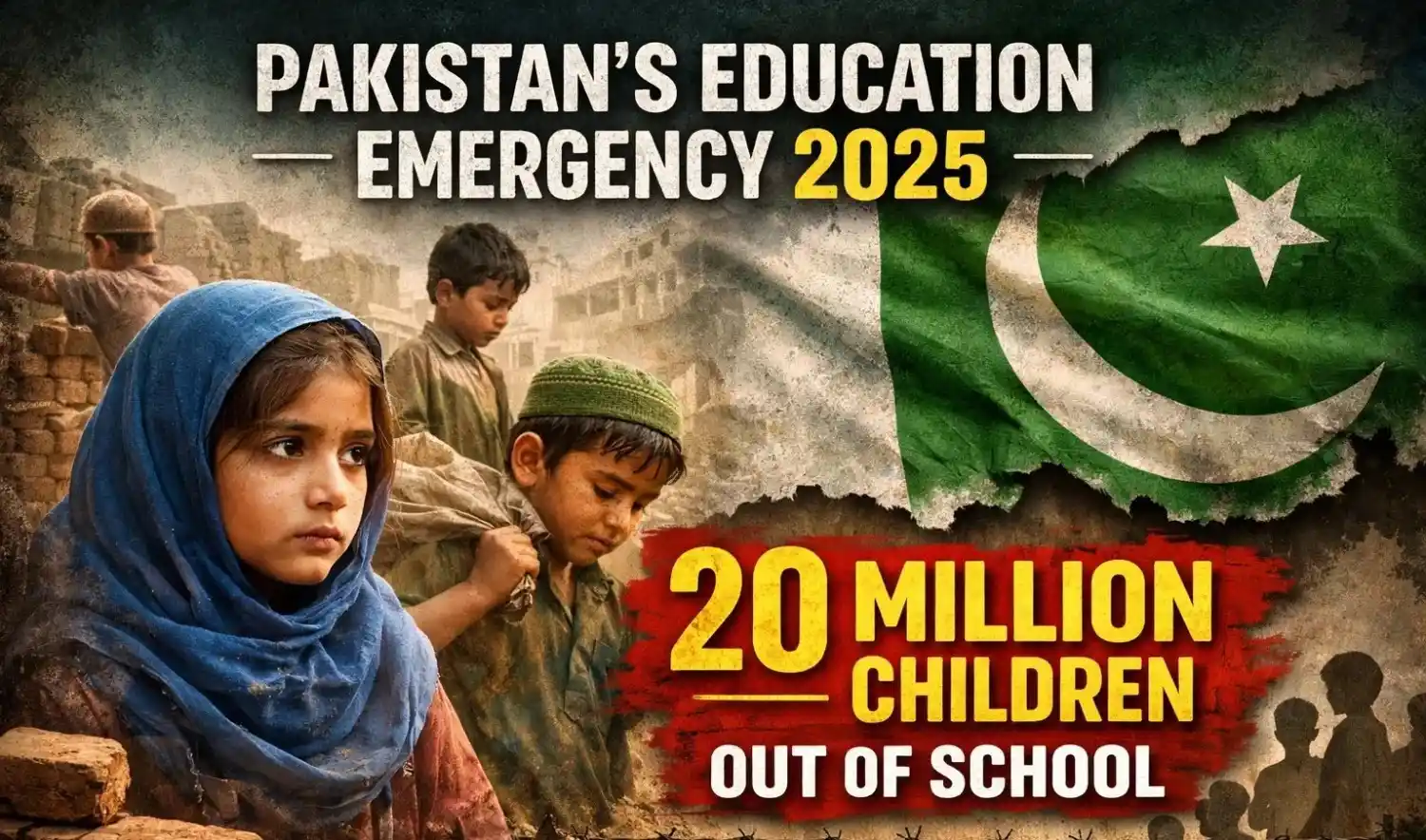
Pakistan's Education Emergency: 20 Million Children Deprived of Schooling in 2025
Pakistan's education sector continues to grapple with a crisis of monumental proportions, as newly released survey data confirms that approximately 20 million children remain excluded from the school system. While recent statistics indicate marginal improvements, the scale of educational deprivation reveals deep-rooted systemic failures that demand urgent intervention.
Understanding the HIES 2024-25 Survey
The Household Integrated Economic Survey (HIES) conducted between September 2024 and June 2025 provides the first comprehensive educational assessment in six years. This long-awaited release incorporates updated demographic information from the 2023 national census and comes following increased calls for data transparency from international financial institutions.
The survey's findings paint a concerning picture of educational access across the country, highlighting variations by region, gender, and socioeconomic status.
Modest Progress Amid Persistent Challenges
Recent data shows a decline in the out-of-school rate from 30% to 28%, translating to a reduction from 25.3 million to approximately 20 million children without educational access. Additionally, national literacy rates have improved from 60% to 63%, while the proportion of citizens aged 10 and above with some schooling has reached 67%, up from 61%.
However, these incremental gains cannot overshadow a stark reality: nearly three in every ten Pakistani children still lack access to basic education.
The Gender Divide in Pakistani Education
Educational exclusion disproportionately affects female students across the country. Current estimates indicate that one in four boys remains out of school, while the figure rises to nearly one in three for girls. This disparity becomes even more pronounced in rural areas, particularly in Sindh and Balochistan provinces.
Primary Barriers to Education
For boys, the leading factors preventing school attendance include:
- Financial constraints forcing early entry into the workforce
- Child labor demands from families
- High costs associated with education
For girls, additional obstacles include:
- Cultural and family restrictions on female education
- Economic hardship prioritizing male education
- Safety and transportation concerns
Regional Disparities Across Pakistan
Educational access varies dramatically across provincial boundaries:
Punjab maintains the lowest exclusion rate at 21%, though this figure has remained stagnant with no recent improvement.
Balochistan has achieved the most significant progress, reducing its out-of-school rate from 59% to 45%. Despite this commendable improvement, it continues to have the highest proportion of children without educational access.
Sindh has seen its rate decrease from 42% to 39%, representing moderate but insufficient progress toward universal education goals.
Khyber Pakhtunkhwa has improved from 31% to 28%, showing steady advancement but remaining above the national average.
The Access and Retention Crisis
Among the 28% of children currently out of school, the breakdown reveals two distinct challenges:
- 20% have never enrolled in any educational institution
- 8% dropped out after initial enrollment
This distribution underscores that Pakistan faces twin crises: providing initial access to education and ensuring students remain in school once enrolled.
Food Insecurity's Role in Educational Deprivation
The HIES survey documents alarming increases in food insecurity nationwide, creating a direct link to educational exclusion. Families struggling to secure basic nutrition frequently withdraw children from school, with girls typically being the first removed when household resources become strained.
This intersection of poverty and education creates a vicious cycle where lack of schooling perpetuates economic vulnerability across generations.
The Path Forward
While the reduction of out-of-school children from 25.3 million to 20 million represents positive movement, the remaining challenge is immense. Achieving universal education will require:
- Targeted poverty alleviation programs that address economic barriers to schooling
- Gender-specific interventions that challenge cultural norms preventing girls' education
- Provincial strategies tailored to the unique challenges in Balochistan, Sindh, and other high-exclusion areas
- Retention programs that keep enrolled students in school through completion
- Food security initiatives that reduce the impossible choice between nutrition and education
Conclusion
Pakistan's education landscape in 2025 presents both progress and persistent challenges. The incremental improvements documented in the HIES survey offer hope, yet 20 million children without access to schooling represents a national emergency. Without comprehensive policy reforms addressing poverty, gender discrimination, regional inequities, and food insecurity, the goal of education for all remains frustratingly out of reach.
The question facing Pakistan is no longer whether education matters, but whether the nation will commit the resources and political will necessary to ensure every child has the opportunity to learn.

Leave a Reply
Your email address will not be published. Required fields are marked *